What Are the Common Usage Issues with Dosing Systems in Sewage Treatment?
Dosing systems are very important in sewage treatment. However, sometimes they don’t work as well as they should. One common problem is the wrong amount of chemicals being used. If too much or too little is added, it can cause issues. For example, adding too much can lead to chemical imbalances that might harm the environment. On the other hand, if not enough is added, the sewage might not get treated properly. Another issue is equipment failure. If a pump stops working, it can lead to delays in treatment. This can create a backup of sewage, which is not good for anyone. Regular maintenance is key to preventing this. Sometimes, the systems can be hard to operate, especially for people who are not trained. This can lead to mistakes in dosing.
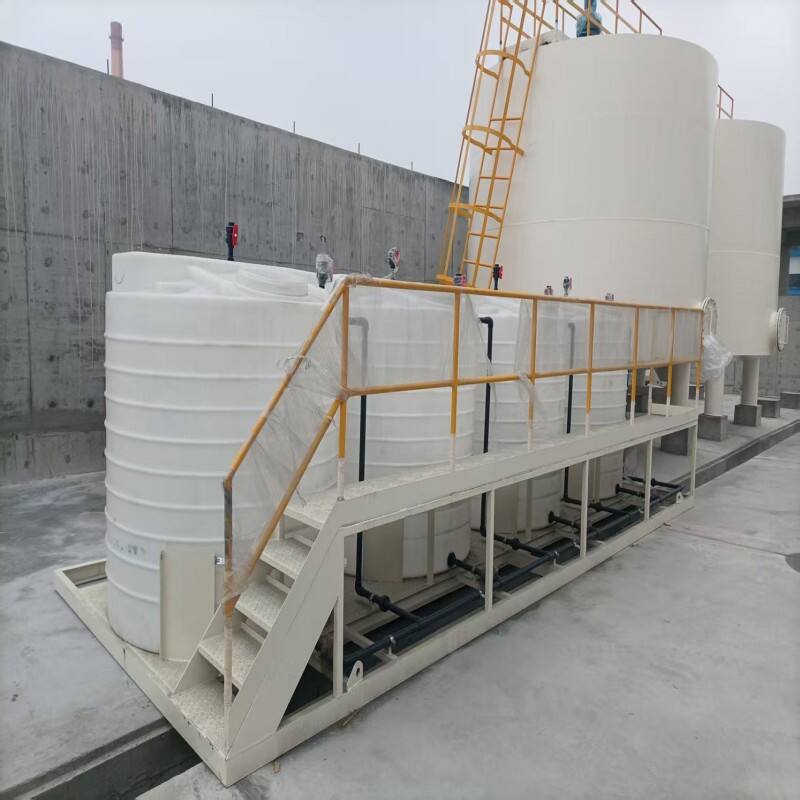
How to Optimize Your Dosing System for Maximum Efficiency?
Optimizing a dosing system is very important for effective sewage treatment. First, regular checks and maintenance should be performed. This ensures all parts are working well. If a pump or sensor is malfunctioning, it can lead to wrong dosing. Next, using the right technology is essential. Newer systems may have better controls and monitoring. For example, automated dosing systems can adjust chemical amounts based on real-time data. This helps in using just the right amount of chemicals needed for treatment. Training staff is also key. Workers should know how to operate the system correctly. Regular training sessions can help them stay updated on best practices. Another way to optimize is to analyze the incoming sewage. Understanding its characteristics can help in adjusting the dosing. For instance, if the sewage has a higher concentration of pollutants, more chemicals might be needed.
How Can a Complete Dosing System Improve Wastewater Treatment Processes?
A complete dosing system is very important for cleaning dirty water, known as wastewater. This system helps to add the right amount of chemicals to the water to make it cleaner and safer. When wastewater comes from homes, factories, or other places, it often has harmful substances. These can be things like oils, bacteria, or chemicals that can hurt the environment and our health. Dinghui’s complete Products makes sure that the right amount of treatment is used for each type of wastewater. This is like using just the right amount of soap to wash your hands. If you use too little, your hands may still be dirty. If you use too much, it can be wasteful.
Why Wholesale Buyers Prefer Our Dosing Solutions for Industrial Applications
Wholesale buyers like to choose Dinghui’s dosing solutions because they are reliable and effective. When we talk about industrial applications, we mean using our systems in places like factories and large businesses. These industries often create a lot of wastewater that needs special care. Buyers want systems that work well and can handle large amounts of water. Dinghui’s Sewage Treatment Equipment are made to keep up with this demand. They are strong and can operate for long periods without breaking down. This is important for industries that cannot afford to stop their work to fix machines.
What Trends Are Shaping the Future of Dosing Systems in Environmental Protection?
The future of dosing systems in environmental protection is changing quickly. One big trend is the use of smart technology. Complete Dosing Systems can collect data and help operators make better decisions. For example, they can automatically adjust how much chemical is needed based on the water quality. This helps to ensure that the treatment is always just right. Dinghui is at the forefront of these innovations, making our systems smarter and more efficient. Another trend is the focus on sustainability. More people are realizing how important it is to protect our planet. Dosing systems are now being designed to use less energy and fewer chemicals. This not only helps the environment but also saves money for businesses.